




Permanent solutions for roof leakage
Contents
|
[edit] Introduction
Water ingress through a roof can cause damage to internal finishes, insulation, structural components and building services. Persistent moisture may also contribute to mould growth, corrosion, timber decay and deterioration of the building fabric.
The most appropriate method of preventing roof leakage depends on the type of roof, its construction, condition and exposure to weather. There is no single waterproofing system suitable for all roofs. Effective remedial work begins with identifying the source and cause of water ingress rather than simply applying a coating over the affected area.
Roofs may leak because of defects in the roof covering, flashings, joints, penetrations, drainage arrangements or underlying structure. On flat roofs and roof terraces, deterioration of the waterproofing layer, inadequate falls and blocked outlets can also contribute to water ingress.
[edit] Causes and signs of roof leakage
Common causes of roof leakage include:
- Deterioration or damage to the roof covering.
- Cracks or defects in concrete roof slabs.
- Failed waterproofing membranes or coatings.
- Damaged or poorly detailed flashings and joints.
- Defects around roof penetrations and services.
- Thermal or structural movement.
- Inadequate falls or poor drainage.
- Blocked rainwater outlets, gutters or downpipes.
- Damaged tiles, slates or other roof coverings.
Visible signs of water ingress may include damp patches, water staining, peeling finishes, mould growth and dripping during or after rainfall. However, the point at which water becomes visible inside a building may be some distance from the point at which it enters the roof construction.
A roof should therefore be inspected to identify the source and extent of the defect before repairs or waterproofing works are undertaken. Persistent dampness should not automatically be attributed to roof leakage, as condensation, leaking pipework and other sources of moisture may produce similar symptoms.
[edit] Waterproofing and repair methods
The appropriate repair or waterproofing method depends on the roof construction and the cause of water ingress. Common approaches include the repair or replacement of roof coverings, installation of sheet or liquid-applied membranes, repair of cracks and joints, renewal of flashings and improvement of drainage.
[edit] Sheet membranes
Sheet waterproofing membranes are widely used on flat and low-pitched roofs. Systems may include reinforced bitumen membranes and single-ply polymeric membranes.
The performance of a sheet membrane depends not only on the material but also on the design and installation of laps, joints, upstands, penetrations and connections to other building elements. Damage or poor detailing at these locations can allow water to bypass an otherwise intact membrane.
[edit] Liquid-applied membranes and coatings
Liquid-applied systems can form a continuous waterproof layer over a suitably prepared substrate. Depending on the material, they may be used for roof refurbishment, complex roof geometries and areas containing numerous penetrations or details.
Polyurethane and other polymer-based liquid membranes are among the systems used for roof waterproofing. Acrylic and elastomeric coatings may also be used in appropriate applications.
The suitability of a liquid-applied system depends on factors including substrate condition, moisture content, anticipated movement, exposure and the required service life. Surface preparation and correct application are essential to performance.
[edit] Bituminous waterproofing
Bituminous membranes are widely used for flat roof waterproofing. Modified bitumen products may provide improved flexibility and durability compared with traditional bituminous materials.
Bituminous systems may be installed as single or multi-layer systems, depending on the design and specification. Their selection should take account of roof construction, falls, exposure, detailing and compatibility with other materials.
[edit] Cementitious waterproofing
Cementitious waterproofing is commonly used in some construction applications, particularly where it is protected from weathering and ultraviolet exposure. It is generally less suitable as an exposed, flexible roof waterproofing layer where significant thermal or structural movement is anticipated.
The suitability of cementitious systems should therefore be assessed in relation to the specific roof construction and exposure conditions.
[edit] Crack repair and structural defects
Cracks and defects should be assessed before a waterproofing system is applied. The appropriate repair method depends on the cause, location and structural significance of the defect.
Methods may include:
- Repair of damaged concrete.
- Crack injection where appropriate.
- Localised sealing of non-structural cracks.
- Repair or renewal of movement joints.
- Replacement or repair of damaged structural components.
Epoxy injection may be used for certain structural cracks where the concrete is sufficiently dry and the crack is suitable for this type of repair. However, epoxy is not appropriate for all cracks, particularly those subject to ongoing movement.
Flexible sealants or waterproofing systems may be more suitable for non-structural cracks that are expected to experience limited movement. The cause of significant or recurring cracking should be investigated before repair.
Waterproofing should generally be installed after necessary structural repairs have been completed and the substrate has been prepared in accordance with the requirements of the selected system.
[edit] Waterproofing existing tiled roofs and terraces
Waterproofing beneath a tiled roof or terrace can be difficult to repair without removing some or all of the surface finish. Claims that leakage can always be permanently resolved without removing existing tiles should therefore be treated with caution.
In some circumstances, localised repairs, joint treatments or injection techniques may reduce water ingress without extensive removal of finishes. However, these methods may not address defects in the underlying waterproofing layer or drainage construction.
Where the existing waterproofing system has failed extensively, removal of the surface finish may be necessary to allow the underlying construction to be inspected and repaired. The appropriate approach should be based on an assessment of the roof build-up and the source of the leakage.
[edit] Drainage and roof falls
Effective drainage is an essential part of roof waterproofing. Water should be directed towards suitable outlets and removed from the roof efficiently.
On flat roofs, the roof structure should incorporate adequate falls towards drainage points. Blocked outlets, inadequate drainage capacity and local depressions that allow prolonged ponding can increase the risk of deterioration and water ingress.
Maintenance should include regular inspection and cleaning of:
- Rainwater outlets.
- Gutters and hoppers.
- Downpipes.
- Drainage channels.
- Overflow arrangements where provided.
Where recurring ponding occurs, the underlying falls and drainage design should be investigated. Applying additional waterproofing without addressing persistent drainage problems may not provide a durable solution.
[edit] Selecting a waterproofing system
The selection of a waterproofing system should be based on a technical assessment of the roof. Relevant factors include:
- The type and construction of the roof.
- The condition of the existing roof covering.
- The source and extent of water ingress.
- The substrate and its condition.
- Anticipated thermal and structural movement.
- Roof falls and drainage arrangements.
- Exposure to weather and ultraviolet radiation.
- The presence of roof penetrations and complex details.
- Whether the roof is accessible or subject to regular traffic.
- Compatibility with insulation, structural repairs and other roof components.
- Maintenance requirements and expected service life.
The expected service life of a waterproofing system cannot be defined solely by the type of material used. Installation quality, detailing, exposure, maintenance and damage during subsequent access can all affect performance.
[edit] Maintenance and inspection
Regular inspection can help identify defects before significant water damage occurs. The frequency of inspection should take account of the roof type, age, exposure and accessibility.
Maintenance may include:
- Removing leaves and other debris.
- Checking rainwater outlets and drainage systems.
- Inspecting flashings and joints.
- Checking roof penetrations and service connections.
- Identifying damage to membranes or roof coverings.
- Investigating signs of ponding or standing water.
- Repairing localised defects before they become more extensive.
Maintenance personnel should avoid damaging the waterproofing layer when accessing roofs. Where regular access is required for building services or other purposes, suitable protection may be needed.
[edit] Conclusion
Effective roof waterproofing depends on identifying the cause of water ingress and selecting a system appropriate to the roof construction and conditions. Sheet membranes, liquid-applied membranes, bituminous systems and other roof coverings can provide effective protection when correctly designed, specified and installed.
Cracks, damaged roof coverings, defective joints and drainage problems should be addressed before or as part of waterproofing works. Surface treatments alone may not resolve underlying structural, detailing or drainage defects.
Long-term performance also depends on appropriate surface preparation, detailing, installation quality and maintenance. Regular inspection and prompt repair of localised defects can help extend the service life of the roof and reduce the risk of water damage to the building.
[edit] Related articles on Designing Buildings
Featured articles
Check out some of the best features and news from Designing Buildings as well as key stories from around the web.

The Building Safety Regulator announces a call for evidence.

Government approach could undermine delivery and regeneration.
World's first mass timber data centre.
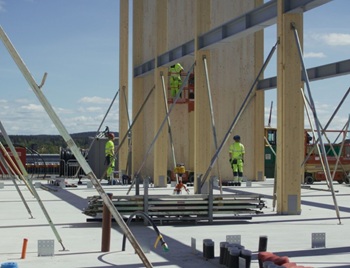
The overlooked environmental aspect of data centre development.
Introduction to radon awareness
New technical information sheet published by CIOB.

Updated supplier guide can help electrical contractors engage with NHP.

CIAT confirm the winners of the 2026 architectural technology awards.
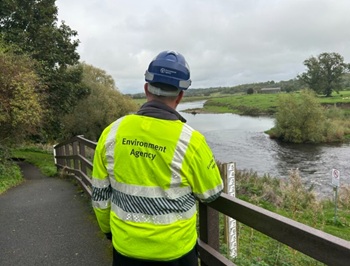
Government launches a one stop shop for flood preparedness.

Sir Edwin Lutyens: Britain's greatest architect? Book review.
CIOB publishes free template to help assess and manage risks.
ECA's reflections on Party Conference season

Burnham wants to be confident of winning before asking for a fresh mandate.
New Chief Construction and Scientific Adviser

Sergio Cavalaro, Professor of Infrastructure Systems at Loughborough University.
Building safety levy for England

CIAT publish estimator tool for members.